The Art of Custom T-Shirts in Los Angeles: Where to Start and What to Expect
Los Angeles has always been a city of self-expression. From the murals in the Arts District to the street style on Fairfax, people here find ways to stand out. One of the simplest and most effective ways to broadcast your identity, your brand, or your inside joke is through a well-made t-shirt. But not all custom t-shirts Los Angeles are created equal. The process of getting from an idea to a finished shirt involves choices that directly affect quality, cost, and turnaround time. I have been through this process more times than I can count, both as a buyer for small events and as someone who helps friends launch merchandise lines. Let me walk you through what actually matters when you order custom t-shirts Los Angeles Custom Shirt Printing.
Understanding Your Options: Screen Printing vs. DTF vs. Embroidery
Before you even think about colors or designs, you need to pick a production method. Each one has strengths and weaknesses, and the right choice depends on your shirt material, your design complexity, and how many shirts you need.
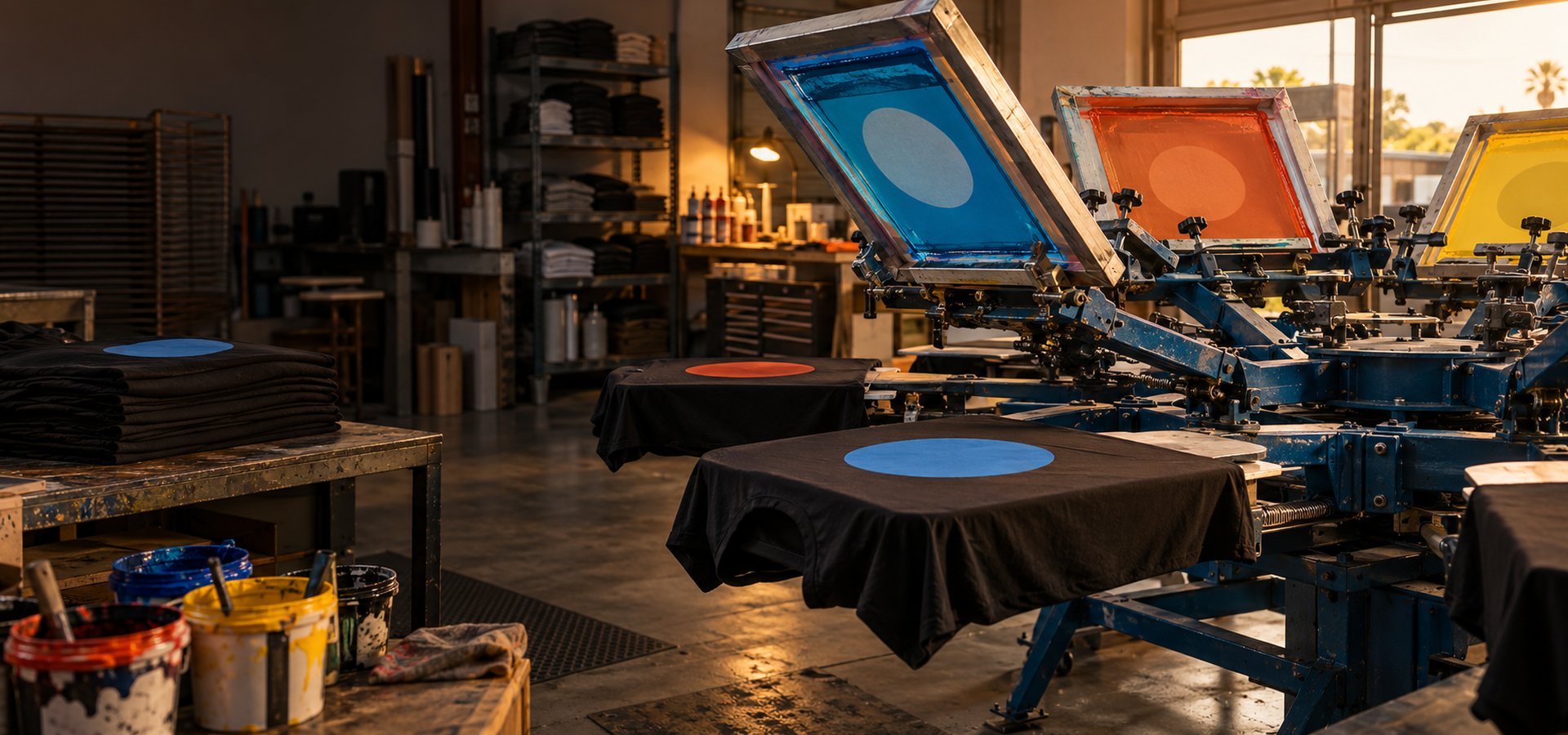
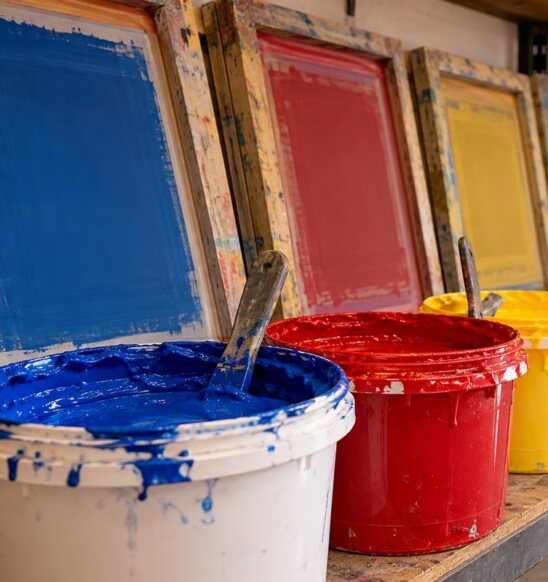
Screen printing is the old standard. It gives you bold, opaque colors that last through many washes. It works best on cotton or cotton-blend tees. If your design uses solid colors and you are ordering at least a dozen shirts, screen printing is usually the most cost-effective option. The setup cost is higher because each color requires a separate screen, but once those screens are made, the per-shirt cost drops fast. For large runs of a hundred or more, screen printing is the clear winner.
DTF transfers, or direct-to-film, are a newer method that has changed the game for small orders. A print shop prints your design onto a special film and then heat-presses it onto the shirt. There is no screen setup, so you can order a single shirt or a mix of different designs without paying extra for setup. The ink sits on top of the fabric, which means the feel is slightly thicker than screen printing, but the color range is unlimited. DTF is perfect for full-color photographs or designs with lots of gradients. It is what I recommend for pop-up events, family reunions, or any situation where you need a small batch of shirts quickly.
Embroidery adds a different kind of polish. A stitched logo on the chest or sleeve elevates a shirt from casual wear to something you could wear to a casual business meeting. It works best for smaller designs with simple lines, like a company logo or a club emblem. The thread gives a textured, premium look that holds up extremely well over time. The trade-off is that embroidery is not great for large designs or highly detailed artwork. It also costs more per shirt for small quantities because the machine requires digitizing the design first.
Design: Keep It Simple or Go All Out
I have seen dozens of people bring in designs that look amazing on a computer screen but fall apart when printed. The number one mistake is using tiny text. On a t-shirt, anything smaller than about 12 points in a thick font becomes illegible from more than a few feet away. The second mistake is using too many colors. Every additional color adds cost in screen printing and can make a design look busy. Stick to two or three colors unless you have a specific reason to use more.
If you are not a designer, do not worry. Most print shops, including Custom Shirt Printing, offer free design help. They can take your rough sketch or your vague idea and turn it into a print-ready file. I have used this service myself when I had a concept but could not draw it. The designer asked a few questions about the vibe I wanted, showed me a few options, and within an hour I had a file ready to go. That kind of help is invaluable, especially if you are new to this.
Choosing the Right Shirt Blank
The blank shirt you choose matters as much as the print. A great design on a cheap, flimsy shirt will look disappointing. A simple design on a high-quality, soft shirt will look intentional and premium. Look for blanks made from 100% cotton or a cotton-polyester blend with a good weight. A 5.3-ounce shirt is a solid midweight choice that works year-round. Heavier shirts, around 6.5 ounces, hold their shape better but can feel stiff. Lighter shirts, around 4.3 ounces, are great for hot weather but may be see-through with light colors.
Fit also varies by brand. Some blanks run boxy, others run slim. If you are ordering for a group, ask the print shop about the sizing of their most popular blanks. Many shops keep sample shirts you can feel and try on before you place your order. I always recommend doing this for any order over twenty shirts. It saves the headache of receiving a batch that fits differently than expected.
Ordering Process: What to Expect from Start to Finish
Here is what a typical order looks like when you work with a local shop like Custom Shirt Printing. You start by bringing in your design or idea. The shop reviews the artwork to make sure it will print cleanly. They might suggest simplifying a few areas or adjusting the colors to match the shirt color better. This step is quick and often happens over email or in person.
Next, you choose your shirt blanks, sizes, and quantities. The shop gives you a quote that includes setup fees, per-shirt cost, and any design changes. Once you approve the quote and pay a deposit, production begins. For screen printing, the shop burns the screens and runs a test print. They show you the test print for approval before they run the full order. For DTF, they print the transfers and press them onto the shirts. Turnaround time depends on the method and the size of the order. Small DTF orders can be ready in a few days. Screen printing usually takes one to two weeks. Rush orders are sometimes possible for an extra fee.
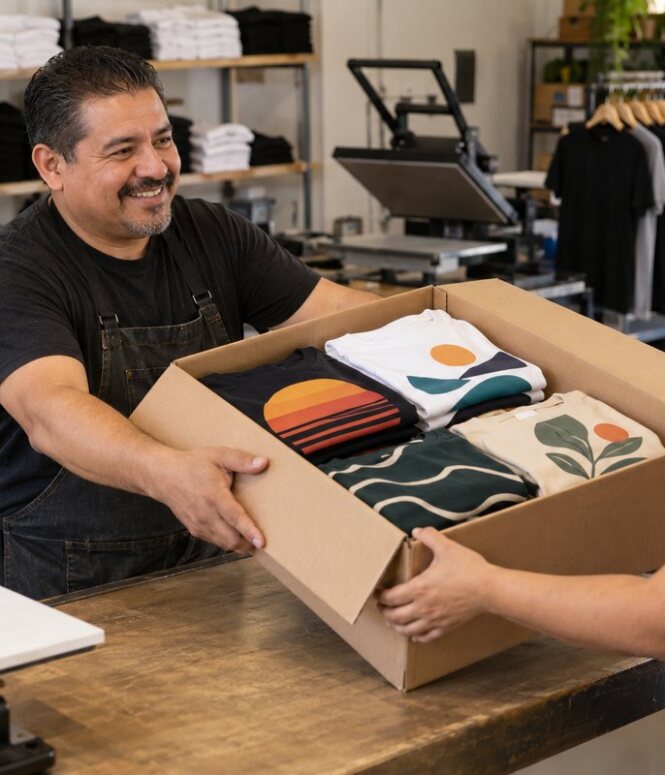
When the shirts are ready, you pick them up or have them shipped. I recommend picking up if you are local, because you can inspect the quality right there. Check the print alignment, the ink opacity, and the overall feel. If something is off, the shop can fix it before you take the shirts away.
Why Local Matters: Custom T-Shirts Los Angeles Custom Shirt Printing
Working with a local print shop in Los Angeles has real advantages. You can visit the facility, see the equipment, and talk to the people who will handle your order. That relationship means faster communication, easier problem-solving, and a sense of accountability that remote print-on-demand services cannot match. When you order custom t-shirts Los Angeles Custom Shirt Printing, you are supporting a local business that employs local people and invests in the community. That is worth something, especially in a city where so much commerce happens through faceless apps.
Another benefit is in-house production. When a shop prints everything under one roof, there are no middlemen. The design goes from the artist to the press operator without being handed off to a third party. This reduces the chance of errors and speeds up the whole process. I have had orders where I dropped off a design on Monday and picked up shirts on Thursday. That kind of turnaround is hard to beat.
Common Mistakes to Avoid
- Ignoring shirt care. Screen prints and DTF transfers last longer when you wash shirts inside out in cold water and hang them to dry. Heat from dryers breaks down the ink over time.
- Skipping pre-production proofs. Always ask for a digital mockup and, if possible, a physical sample before the full run. It catches color mismatches and sizing issues early.
- Ordering too few shirts. If you need extras for friends, staff, or future events, order them now. Reordering the same design later often costs more because the shop has to set up again.
- Choosing the wrong shirt color. Light ink on dark shirts requires an underbase, which adds cost and can affect the feel. Stick to dark ink on light shirts or white ink on dark shirts unless you have a specific reason to do otherwise.
- Overlooking the back print. A small logo on the left chest and a large design on the back can look great, but it also adds cost. Plan your design placement carefully to stay within budget.
Final Thoughts on Custom T-Shirts in Los Angeles
Custom t-shirts remain one of the most accessible ways to create something personal or promotional. Los Angeles has a vibrant print culture, and shops like Custom Shirt Printing bring decades of combined experience to every order. The key is to start with a clear idea, communicate openly with the print shop, and trust their expertise on materials and methods. Whether you are printing shirts for a band, a nonprofit fundraiser, or a family reunion, the process should be collaborative and enjoyable. The best results come when you treat the print shop as a partner, not just a vendor.
I have ordered custom shirts for everything from a friend's art show to a small business launch. Every time, the shirts that got the most compliments were the ones where I took the time to choose good blanks, simplify the design, and work with a shop that knew what it was doing. In Los Angeles, you have access to that kind of quality. You just have to know what to look for.
 Facebook
 Instagram